Uyghur Woman Detained at 14 Dies in Prison, Officials Tell RFA
A 23-year-old Uyghur woman dies in prison after being detained at 14, sparking calls for accountability

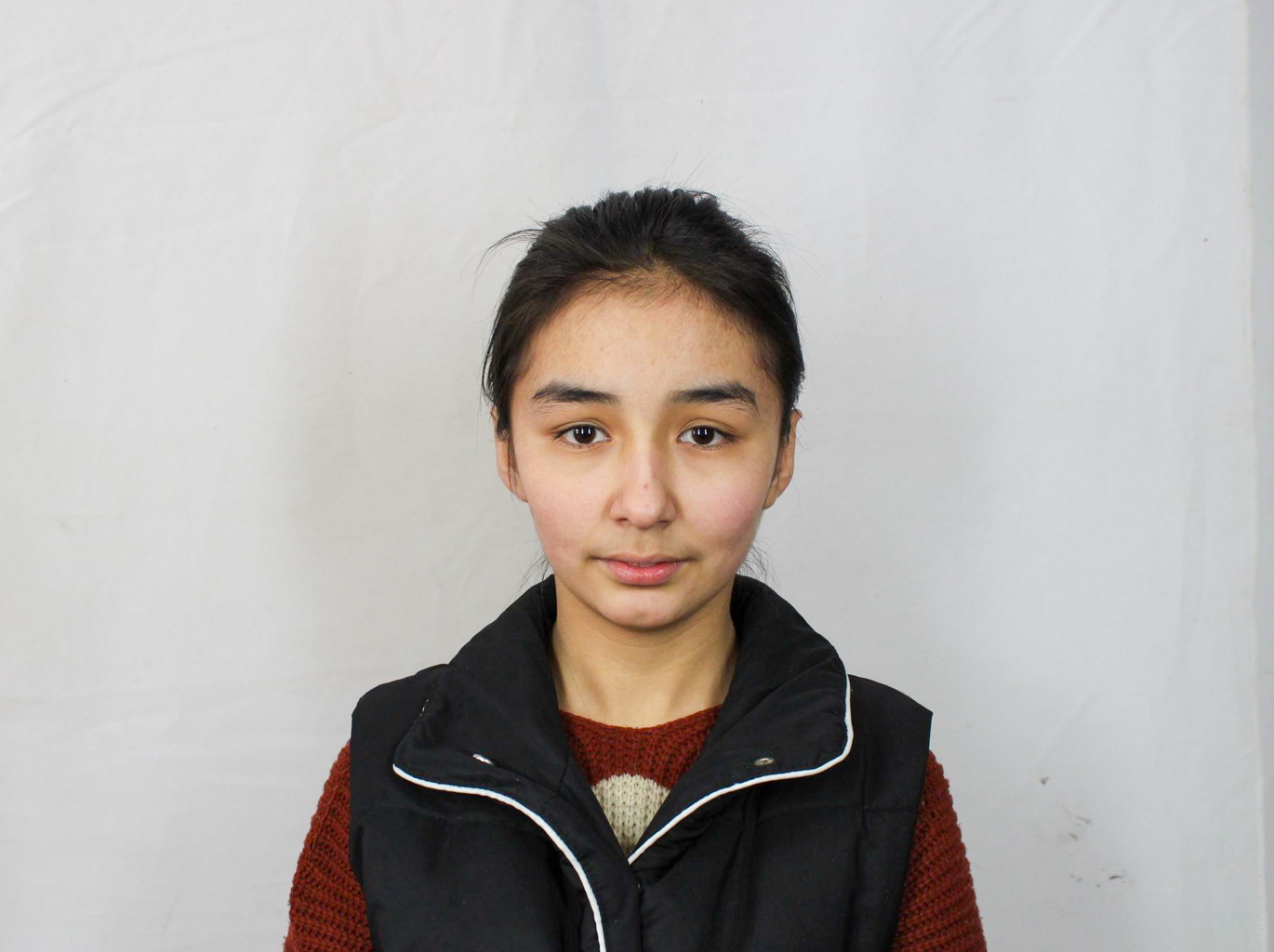
Rahile Omer, a Uyghur woman detained at 14 and later sentenced to 12 years in prison, has died in custody, officials in Kashgar told Radio Free Asia by phone. She was 23, about nine years after she was first detained. One Uyghur official told RFA, which reported her death on Nov. 6, that she appeared to have had a heart problem.
Officials gave different estimates of when Omer died. One said she had died about two months before the call; a Chinese officer said it was about a month earlier. “I know about her death,” the officer said. Asked where Omer had died, the officer replied, “I cannot reveal this.”
In a separate phone conversation, a Uyghur security official in Lenger Township of Konasheher (Shufu) County who said he was responsible for Omer’s case, told RFA that she had died of an illness. “She died all of a sudden, it seems that she had a problem with her heart,” he said.
A judicial official in Kashgar’s Konasheher County told RFA that Omer was held at a re-education facility in Konasheher from 2017 to 2019, then at a detention center in Toqquzaq, the county center, until 2021. In October that year, when she was 18, she was sentenced to 12 years in prison and transferred to a prison in Payzawat County, also in Kashgar Prefecture, the official said.
The official said Omer had been detained on suspicion of “illegally gathering to disturb social order.” He said she was transferred from the re-education facility to a detention center because authorities considered her unreceptive to “education,” she did not provide information about others connected to her case, and she performed silent prayers in her dormitory.
RFA could not establish when Omer developed heart problems or whether her health was affected by her detention or prison conditions.
Records trace her detention
Adrian Zenz, a researcher at the Victims of Communism Memorial Foundation, identified Omer in his 2022 analysis of the leaked Xinjiang Police Files. The records show she was detained on Sept. 28, 2017, and photographed in March 2018, when she was still 14. Zenz’s analysis identified her as the youngest person pictured in the files.

The records indicated that Omer’s father was a government official and linked her detention to his case. Zenz’s analysis also said both her parents were detained on July 3, 2017; her father was held at the same facility as Omer, and her mother was sentenced to six years in prison. Their later whereabouts could not be independently verified.
“This is a stunning and shocking development,” Zenz told Otkel, a publication of Uyghur News Network (UNN).
Uyghur advocates call for answers
Turghunjan Alawudun, president of the World Uyghur Congress, told Otkel that Omer’s death had brought deep sadness and anger. He said the Uyghur people’s will and struggle for freedom had grown stronger, adding, “One day, we will demand accountability.”
Rahima Mahmut, executive director of Stop Uyghur Genocide, said Omer’s photograph in the leaked police files had stayed with her.
“I keep thinking about the years between those two ages and how little we know about what she endured,” Mahmut told Otkel, referring to Omer’s age when she was detained and when she died.
Mahmut said she did not believe Omer’s death was an isolated case. An official told RFA that Omer had a heart problem, she noted, but said that even if the explanation were confirmed, it would leave unanswered what years of detention had done to her health.
Citing survivors’ accounts of torture, food deprivation and degrading treatment, Mahmut said she had serious reason to believe Omer’s detention conditions and treatment may have contributed to her death. She said the official account remained unverified in the absence of an independent investigation, and called on governments to seek access for independent monitors, a full accounting of deaths in custody and the release of people held arbitrarily.
William Nee, a human rights analyst at the National Endowment for Democracy (NED), asked in a LinkedIn post why Omer had not been released from what he called the “concentration camps” and was instead sent to prison. He wrote that records and police statements pointed to her father’s detention and her failure to demonstrate ideological compliance, including through silent prayer and her refusal to answer questions.
Mamtimin Ala, a Uyghur activist and president of the East Turkistan Government in Exile, wrote on X that Omer was “one innocent face” among Uyghurs detained, disappeared or killed in China’s camps. He described the persecution as “a genocide and a crime against humanity.”
Since 2017, Chinese authorities have detained more than one million people, predominantly Uyghurs, as well as ethnic Kazakhs, Kyrgyz and members of other groups, in the Xinjiang Uyghur Autonomous Region, which many Uyghurs call East Turkistan, according to U.S. government estimates.
The United States determined in January 2021 that China’s actions against Uyghurs and other groups in the region constitute genocide and crimes against humanity. Legislative bodies in several countries, including Canada, the Netherlands and the United Kingdom, have also adopted non-binding motions describing the abuses as genocide.
The U.N. human rights office did not make a genocide determination, but concluded in a 2022 assessment that the arbitrary and discriminatory detention of Uyghurs and other predominantly Muslim groups “may constitute international crimes, in particular crimes against humanity.”
The Chinese Embassy in London did not respond to UNN’s request for comment. Amnesty International had not responded by publication time.