Genocide Watch Issues “Genocide Emergency” Alert on Xinjiang
Genocide Watch warns of genocide in Xinjiang, citing mass detention and persecution of Uyghurs
 Published:
Key points
- Genocide Watch issues alert on Xinjiang
- 800,000 to 2 million Uyghurs detained since 2017
- China rejects genocide allegations
WASHINGTON (UNN) — Genocide Watch says China's treatment of Uyghurs and other Turkic Muslims meets four of the ten stages in its genocide warning framework, including extermination and denial, the ninth and tenth stages.
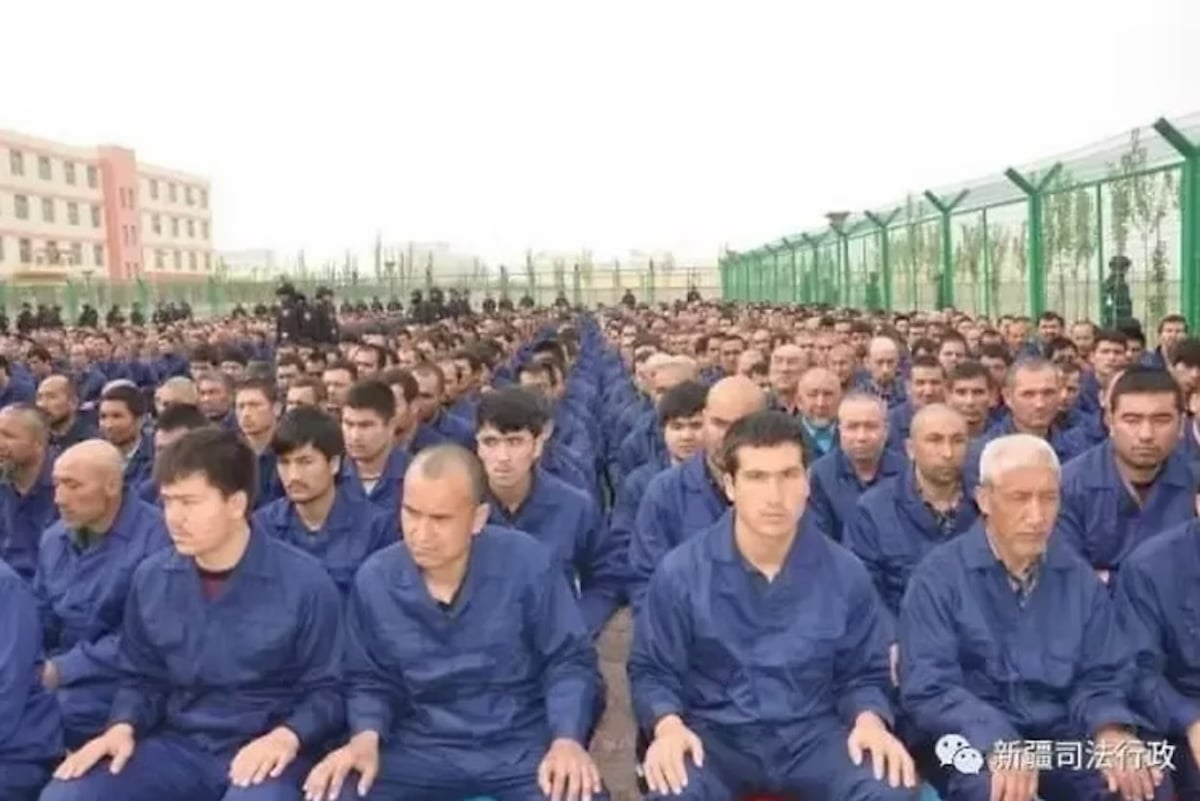
The U.S.-based group's report, published December 20, 2025, says Chinese authorities have detained "800,000 to 2 million" Uyghurs since 2017 in political "reeducation" facilities, where detainees have faced forced indoctrination, physical abuse and sexual violence.
Genocide Watch describes Beijing's policies in the Xinjiang Uyghur Autonomous Region, known to Uyghurs as East Turkistan, as a campaign to assimilate Uyghurs by suppressing their language, religion and culture.
Four Stages of Genocide
Under Stage 9: Extermination, Genocide Watch cites sexual violence against Uyghur women and the removal of Uyghur children into state-run Mandarin-only institutions. The organization says these acts violate the U.N. Genocide Convention. It also identifies restrictions on Uyghur births as violations of the convention.
Mass detention, torture and imprisonment in the camps fall under Stage 8: Persecution. Restrictions on religion and movement, along with what the report calls "Orwellian surveillance," are classified as Stage 3: Discrimination.
China's rejection of the genocide allegations is classified as Stage 10: Denial. Genocide Watch also accuses two Western academics, William Schabas and Jeffrey Sachs, of denying the genocide. The report does not include responses from either man.
On forced labor, the report points to factories and cotton production in the region and to Volkswagen's exit from its Urumqi plant, which followed scrutiny of supply chains tied to Xinjiang.
Beijing has repeatedly rejected allegations of genocide, forced labor and mass detention. It says its policies in Xinjiang are aimed at combating terrorism and extremism and reducing poverty.
Calls for international action
Genocide Watch urges the United States and other governments to take steps including:
- Prohibiting imports of goods produced with Uyghur forced labor.
- Strengthening supply-chain tracing requirements for companies sourcing from China.
- Restricting investment in Chinese firms linked to forced labor.
- Barring exports of surveillance technology, including facial recognition and artificial intelligence systems, used in the region.
- Expanding humanitarian protection, asylum and resettlement options for Uyghurs abroad.
The United States formally determined on January 19, 2021, that China's treatment of Uyghurs and other Turkic Muslims constituted genocide and crimes against humanity. The determination came on the last full day of the first Trump administration and was maintained under President Joe Biden.
The State Department continued to describe China's actions in Xinjiang as genocide and crimes against humanity in its 2026 Trafficking in Persons Report, released during Trump's second term.
Legislative bodies in Canada, the United Kingdom, the Netherlands, Lithuania, the Czech Republic and France have also passed non-binding resolutions describing China's treatment of Uyghurs as genocide, crimes against humanity, or both.